Listen to this article
Weak showers, slow-filling taps, and appliances that take forever to run. Low water pressure is one of the most frustrating plumbing issues — and it is surprisingly common in Auckland homes. Here are the most likely causes and what you can do about them.
Toby Valve Not Fully Open
The toby valve is the main shutoff at your property boundary (usually under a small cover in the ground near the street). If it is not fully open — maybe after maintenance or a water main repair — your pressure will be restricted.
Fix: Locate your toby and check it is fully open. Turn it anticlockwise until it stops.
Watercare Supply Issues
Sometimes the problem is not your home at all. Watercare may be doing maintenance, or there may be a main break in your area affecting supply pressure.
Fix: Check the Watercare website or app for known outages in your area. Ask your neighbours if they are experiencing the same issue.
Old or Corroded Pipes
Many older Auckland homes still have galvanised steel pipes. Over decades, these corrode internally, building up rust and scale that narrows the pipe diameter and restricts flow. From the outside the pipes might look fine, but inside they can be almost blocked.
Fix: The only real solution is repiping — replacing old galvanised pipes with modern copper or PEX. It is an investment, but the improvement in pressure and water quality is significant.
Faulty Pressure Reducing Valve
Some properties have a pressure reducing valve (PRV) installed where the mains enter the house. If this valve fails or is set too low, it restricts pressure throughout the home.
Fix: A plumber can test, adjust, or replace the PRV.
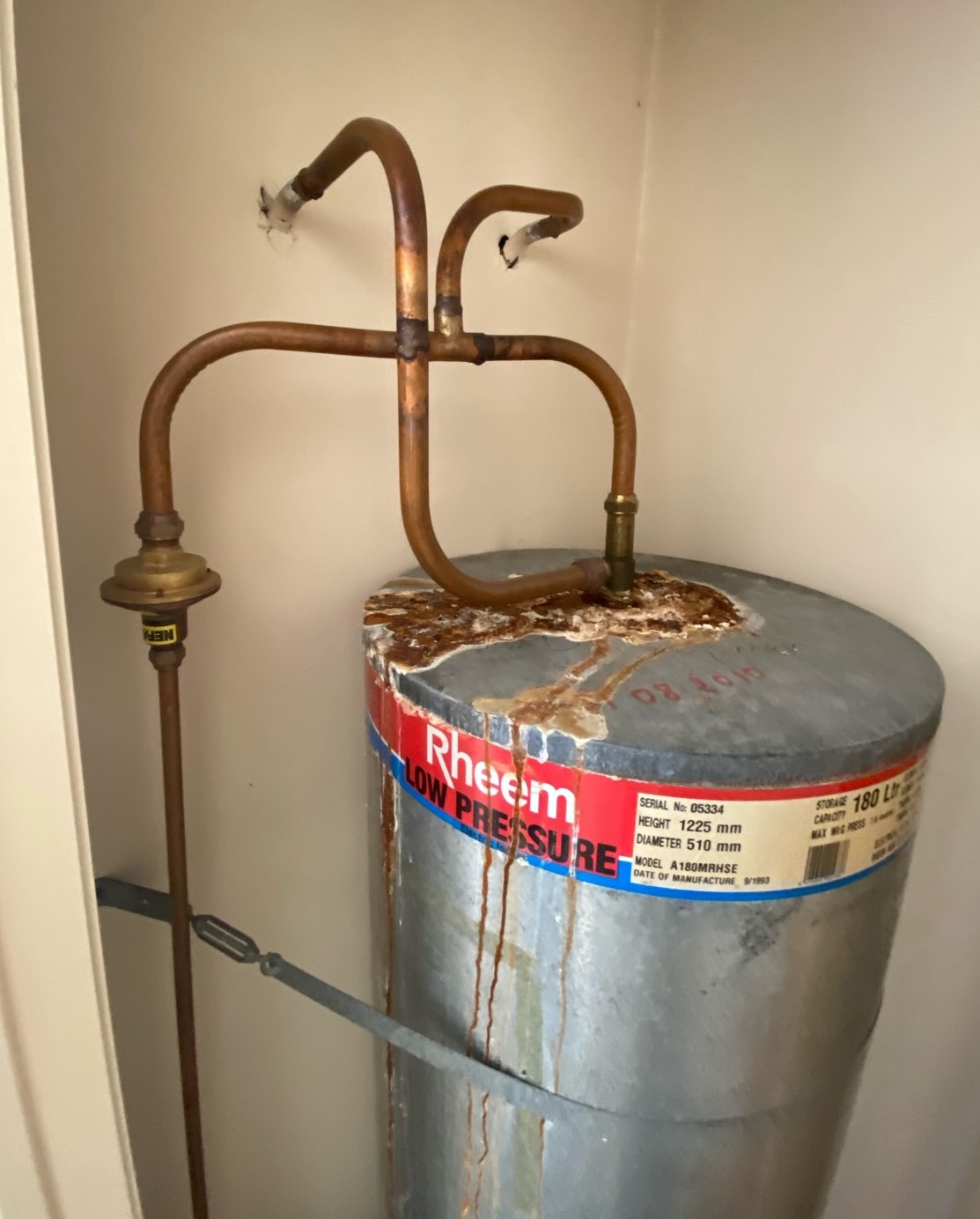
Blocked or Old Hot Water Cylinder
If low pressure only affects your hot water, the hot water cylinder could be the issue. Sediment buildup, a failing tempering valve, or an undersized cylinder can all reduce hot water pressure.
Fix: Have the cylinder and tempering valve inspected. In some cases, upgrading to a continuous flow system can solve pressure issues.
Too Many Outlets Running at Once
If your pressure drops when multiple taps or showers are running simultaneously, your supply pipe may be undersized for your home's demand. This is common in older homes that have had bathrooms or ensuites added.
Fix: Upgrading the main supply pipe diameter or installing a pressure pump can help.
Leaking Pipes
A hidden leak in your plumbing system can reduce pressure because water is escaping before it reaches your taps. Signs include unexplained wet patches, higher water bills, or the sound of running water when nothing is on.
Fix: A plumber can use leak detection methods including a pressure test to identify leaks and locate them for repair.
When to Call a Plumber
If you have checked the obvious causes (toby valve, Watercare outages) and still have low pressure, it is time for a professional assessment. Low pressure rarely fixes itself and often gets worse over time. If a pipe has given way completely, you may need an emergency plumber to deal with a burst pipe.
Water and Gas Worx diagnoses and fixes water pressure issues across Auckland. We will find the cause and give you clear options to fix it.
Frequently Asked Questions
What causes low water pressure in Auckland?
Common causes include corroded or undersized pipes, a faulty pressure-reducing valve, partially closed toby valves, shared supply lines in older suburbs, or issues with the council mains. In some Auckland areas, the mains pressure itself is lower due to elevation or infrastructure age.
How do I increase water pressure in my house?
Start by checking your toby valve at the street boundary is fully open. If that is fine, the issue is likely internal -- corroded galvanised pipes, a faulty pressure valve, or undersized pipework. A plumber can test the pressure and recommend the right fix for your situation.
Can a plumber fix low water pressure?
Yes. A qualified plumber can diagnose the cause, test your pressure, and recommend the best fix. Solutions range from adjusting or replacing the pressure valve to repiping sections of corroded pipe. We deal with low pressure issues across Auckland regularly.