Listen to this article
The laundry is one of the most overlooked rooms when it comes to plumbing — until something goes wrong. Whether you are installing a new laundry, upgrading an existing one, or dealing with a problem, here is what you need to know.
What Plumbing Does a Laundry Need?
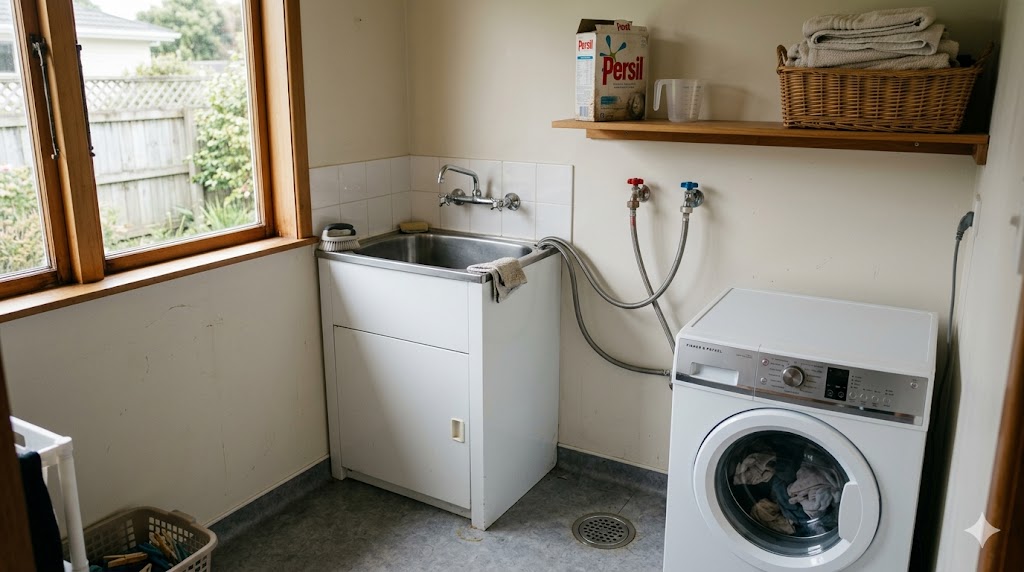
- Hot and cold water supply — for the washing machine and laundry tub
- Waste drainage — for the washing machine, tub, and floor waste
- Laundry tub connections — tap and waste
- Floor waste — important in case of machine overflow or hose failure
- Washing machine tap valves — dedicated isolation valves for easy servicing
Installing a New Laundry
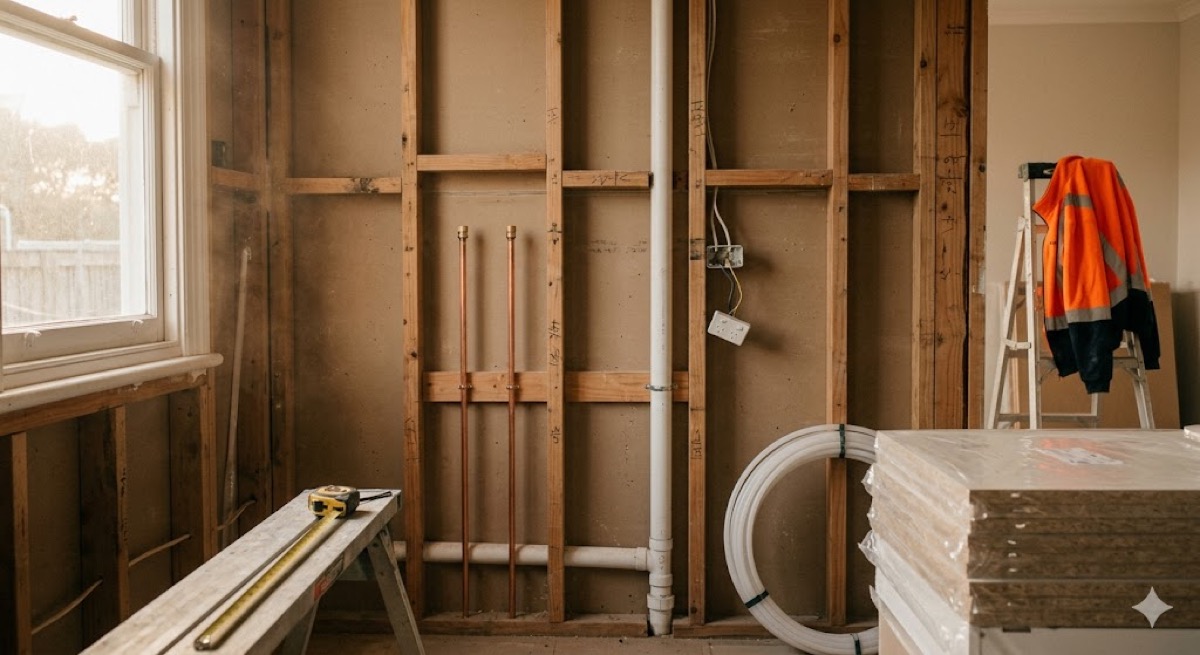
Adding a laundry to a room that does not have existing plumbing involves:
- Running hot and cold supply pipes to the new location
- Installing waste drainage connected to the sewer or stormwater system (depending on what goes in the drain)
- Installing a floor waste in case of overflow
- Fitting laundry tub connections and washing machine valves
The cost depends heavily on how far the new laundry is from existing pipes. A laundry added near the bathroom or kitchen is significantly cheaper than one on the opposite side of the house.
Common Laundry Plumbing Problems
Blocked Laundry Drain
Laundry drains collect lint, hair, and soap residue. Over time this builds up and causes slow drainage or blocked drains. A laundry tub that drains slowly is a sign the drain needs attention — clearing it before it blocks completely is much less disruptive.
Prevention: Use a lint filter on your washing machine outlet hose and clean it regularly.
Leaking Washing Machine Hoses
The hot and cold hoses connecting your washing machine to the wall taps are a common failure point. Rubber hoses degrade over time and can split — often when you are out of the house, causing significant flooding. Braided stainless steel hoses are more durable and worth the upgrade. A burst hose can cause the kind of damage that needs an emergency plumber.
Tip: Turn off the tap valves to the washing machine when you go on holiday. This takes all pressure off the hoses when the machine is not being used.
Tap Valves That Will Not Turn Off
Laundry tap valves that are never used tend to seize. You discover this when the machine hose leaks and you cannot turn off the supply. Replacing old valves as part of a maintenance visit is much cheaper than dealing with a flooded laundry.
Floor Waste Blocked or Missing
Many older Auckland homes have laundries without a floor waste. If the washing machine hose pops out or a fitting leaks, the water has nowhere to go except across the floor and under walls. If your laundry has no floor waste, it is worth adding one.
Upgrading Your Laundry Tub
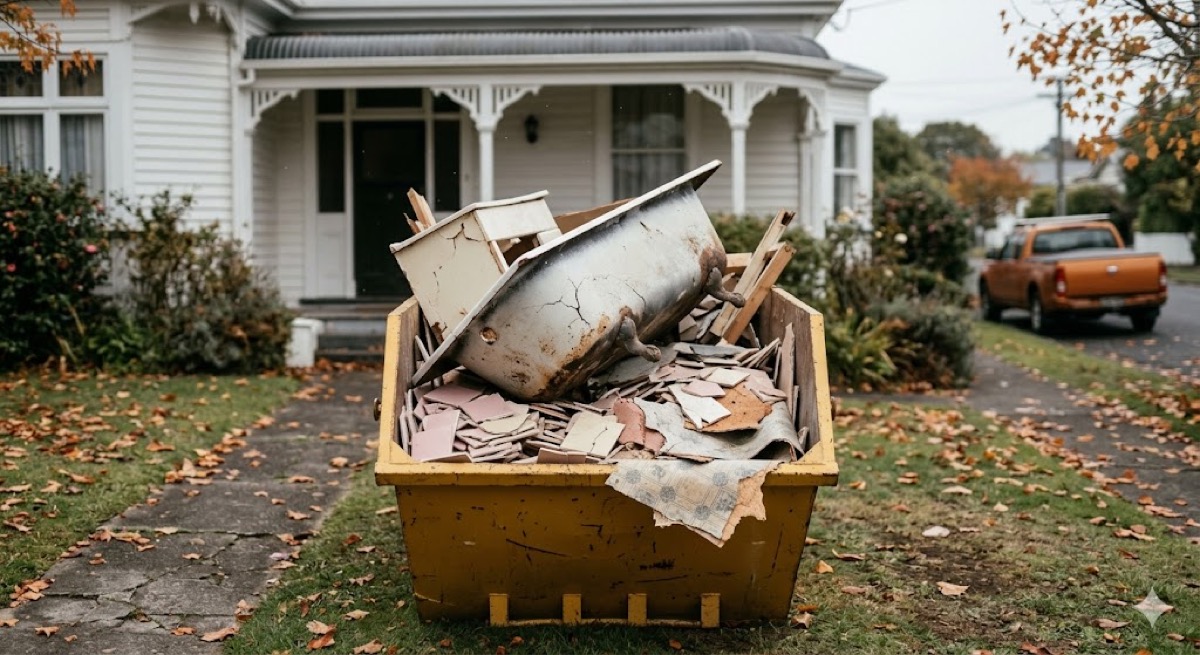
Old laundry tubs — particularly the original concrete ones in older homes — can crack, stain, and look tired. Replacing with a modern plastic or stainless tub is a straightforward plumbing job that makes a big difference to a renovation. Expect to pay $300 to $600 for supply and installation of a standard laundry tub.
What Does Laundry Plumbing Cost?
- Washing machine valve replacement: $150 to $300
- Laundry tub replacement (same location): $300 to $600
- Floor waste installation: $400 to $900 depending on access
- New laundry installation (existing plumbing nearby): $1,500 to $3,500
- New laundry in new location: $3,000 to $6,000+
Need Laundry Plumbing Help?
Water and Gas Worx handles laundry plumbing across Auckland — from fixing a dripping laundry tap to installing a brand new laundry from scratch. If you are dealing with a water leak in your laundry, we can locate and fix it fast. See our pricing or check which areas we service.
Call 0800 322 322 or email service@wgw.co.nz
Frequently Asked Questions
How much does it cost to install a new laundry?
A new laundry installation near existing plumbing (bathroom or kitchen) costs $1,500 to $3,500. A laundry in a completely new location runs $3,000 to $6,000+ because longer pipe runs and new drainage are needed. We can quote before starting so you know the cost upfront.
How often should I replace washing machine hoses?
Replace rubber washing machine hoses every 5 years, or upgrade to braided stainless steel hoses which last longer. Burst washing machine hoses are a leading cause of indoor flooding. Also turn off the tap valves when going on holiday to remove pressure from the hoses.
Does my laundry need a floor waste drain?
It should have one. Many older Auckland homes do not, but a floor waste is important — if a hose pops out or a fitting leaks, the water has nowhere to go except across the floor and under walls. Adding a floor waste costs $400 to $900 and is a worthwhile investment.
Why is my laundry drain draining slowly?
Laundry drains collect lint, hair, and soap residue that builds up over time. Using a lint filter on your washing machine outlet hose and cleaning it regularly helps prevent this. If the drain is already slow, a plumber can clear it before it blocks completely.