Listen to this article
The short answer, as of 2026: there is no ban on natural gas in existing homes, and you do not need to rush to rip out your gas appliances. But the longer-term direction is real — New Zealand's natural gas supply is declining, and government policy is steering the country toward electrification over the coming decades. Here is what is actually happening, and what it sensibly means for your home.
Why People Are Asking
A few things have come together. New Zealand's natural gas fields — Pohokura and others — are producing less each year, and national supply is forecast to keep falling. At a policy level, the Government's Gas Transition Plan signals a move away from fossil gas over the long term, with broad direction set toward 2035 and 2050. You may also have seen headlines about phasing gas out of new homes.
What has not happened is an outright ban on new gas connections or a deadline to remove gas from existing homes. The current approach is a managed, gradual transition rather than a switch-off date.
What It Means If You Have Gas Now
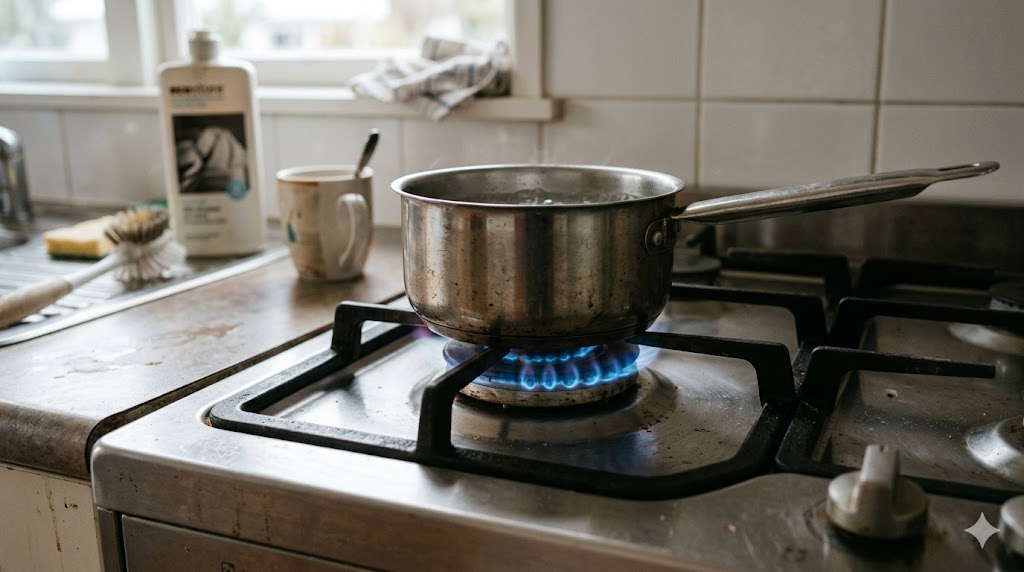
If your home runs on natural gas or LPG for hot water, cooking or heating, nothing changes day to day. Your appliances will keep working, parts and servicing remain available, and a registered gasfitter can still install and certify gas work. There is no need to act out of panic.
The sensible takeaways are longer-term:
- Gas prices may rise as supply tightens — worth factoring in when an appliance is near end of life.
- When a gas appliance dies, that is the natural decision point to weigh gas-for-gas replacement against an electric alternative — not before.
- Resale and new builds are increasingly being designed all-electric, which is worth knowing if you are renovating or building.
Should You Switch from Gas to Electric?
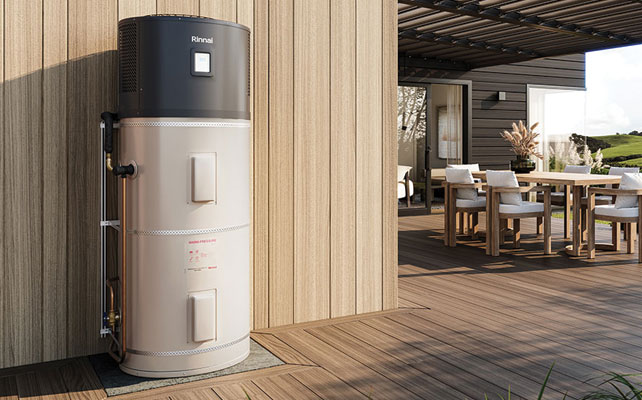
It depends entirely on your situation — there is no one-size answer. The strongest case to switch usually appears when an appliance needs replacing anyway. For hot water, a heat pump hot water system is the most efficient electric option; we cover whether it stacks up in hot water heat pumps: are they worth it in NZ?
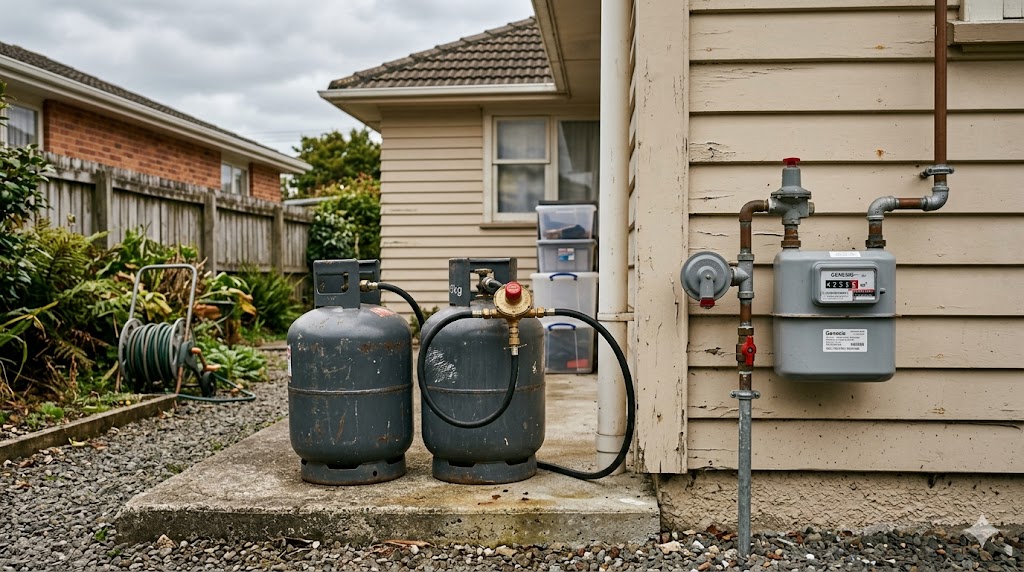
If you are on LPG bottles rather than reticulated natural gas — common on lifestyle and rural properties — the economics are different again. Our guide on LPG vs natural gas explains the distinction.
What We Recommend
Do not make a rushed, expensive change based on headlines. Keep your existing gas appliances serviced and safe, and treat the gas-versus-electric decision as something to weigh at replacement time — when you would be spending money anyway. When that point comes, get advice specific to your home: hot water demand, existing wiring, and whether you are on natural gas or LPG all change the answer.
Gas and Hot Water Advice Across Auckland
Water and Gas Worx does both sides of this — we are registered gasfitters and we install electric and heat pump hot water. That means we can give you a straight answer on what makes sense for your home rather than pushing one option. See our hot water and gasfitting services, or our areas we service.
Call 0800 322 322 or email service@wgw.co.nz.
Frequently Asked Questions
Is natural gas banned in New Zealand?
No. As of 2026 there is no ban on natural gas in existing homes and no deadline to remove it. Government policy signals a long-term transition away from fossil gas, but day to day your gas appliances continue to work and can still be installed and serviced by a registered gasfitter.
Should I remove my gas appliances now?
There is no need to. The practical time to weigh gas versus electric is when an appliance reaches the end of its life and needs replacing anyway. Making the switch early usually means writing off appliances that still have years left in them.
What is the most efficient way to replace gas hot water with electric?
A heat pump hot water system is the most energy-efficient electric option for most homes, though it has a higher upfront cost than a standard electric cylinder. The right choice depends on your hot water demand, available space, and budget — we are happy to advise on what suits your home.
Can you still install a new gas appliance in Auckland?
Yes. Gas appliances can still be installed and must be installed and certified by a registered gasfitter. If you are weighing a gas-for-gas replacement against switching to electric, we can talk through the long-term costs and what makes sense for your property.